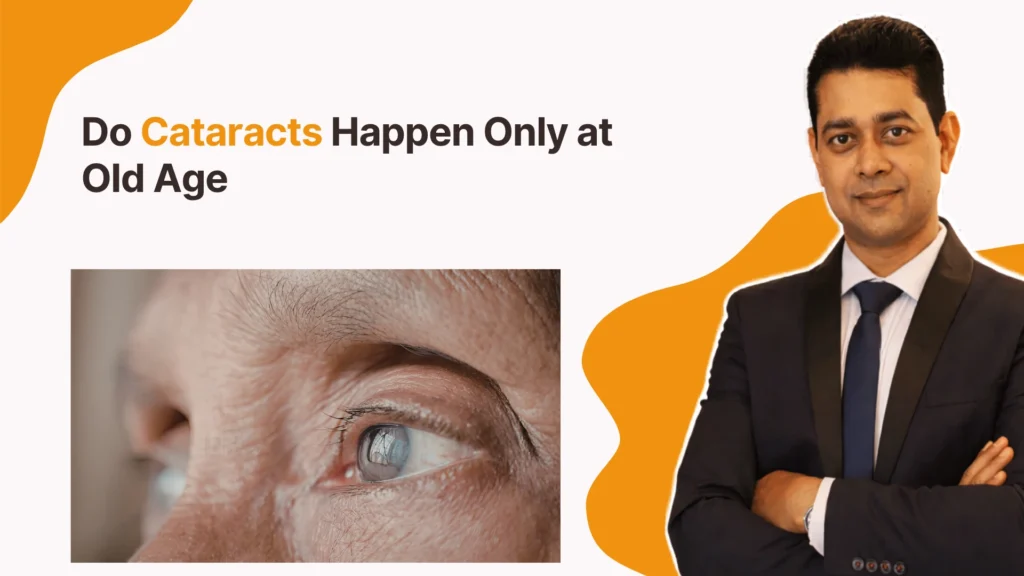
When most people hear the word “cataract,” they immediately think of older adults. While cataracts are more common with aging, they are not limited to the elderly. In fact, cataracts can develop in younger adults, children, and even newborn babies under certain circumstances. Understanding the causes and symptoms can help ensure timely diagnosis and treatment. If you’re looking for the Best General Ophthalmology Doctor in Gunjur, early eye evaluation can help detect cataracts before they significantly affect your vision.
What Is a Cataract?
A cataract occurs when the natural lens of the eye becomes cloudy, preventing light from passing through clearly. This results in blurred or dim vision that gradually worsens over time if left untreated.
Cataracts usually develop slowly and may initially affect only a small part of the lens before progressing.
Why Are Cataracts Common in Older Adults?
As we age, the proteins in the eye’s natural lens begin to break down and clump together. Over time, this causes the lens to become cloudy.
Age-related cataracts are the most common type and usually develop after the age of 60, but they can appear earlier in some individuals.
Can Young People Get Cataracts?
Yes. Although less common, cataracts can occur at any age due to several reasons, including:
- Eye injuries
- Diabetes
- Long-term use of steroid medications
- Previous eye surgery
- Certain genetic conditions
- Exposure to radiation
- Smoking
- Excessive ultraviolet (UV) exposure
- Rare metabolic disorders
Early diagnosis is important because cataracts in younger individuals may progress differently than age-related cataracts.
Can Babies Be Born with Cataracts?
Yes. Some babies are born with congenital cataracts, which may occur due to:
- Genetic conditions
- Infections during pregnancy
- Metabolic disorders
- Developmental abnormalities
Early treatment is crucial, as untreated congenital cataracts can interfere with normal visual development.
Common Symptoms of Cataracts
Symptoms usually develop gradually and may include:
- Blurred or cloudy vision
- Difficulty seeing at night
- Increased sensitivity to bright lights
- Glare or halos around lights
- Frequent changes in spectacle power
- Faded or dull colors
- Double vision in one eye
- Difficulty reading despite wearing glasses
If these symptoms interfere with daily activities, an eye examination is recommended.
How Are Cataracts Diagnosed?
An ophthalmologist can diagnose cataracts through a comprehensive eye examination, which may include:
- Vision testing
- Slit-lamp examination
- Dilated eye examination
- Assessment of the retina and optic nerve
These tests help determine the severity of the cataract and whether surgery is needed.
Is Cataract Surgery Always Necessary?
Not immediately.
In the early stages, updated glasses, brighter lighting, or magnifying lenses may improve vision.
However, when cataracts begin affecting daily activities such as reading, driving, or recognizing faces, surgery is usually the most effective treatment.
Modern Cataract Surgery
Today’s cataract surgery is one of the safest and most successful surgical procedures.
The cloudy lens is removed and replaced with a clear artificial intraocular lens (IOL).
Benefits include:
- Improved vision
- Short procedure time
- Minimal discomfort
- Quick recovery
- High success rate
Most patients return to normal activities within a short period after surgery, following their doctor’s advice.
Can Cataracts Be Prevented?
Although age-related cataracts cannot always be prevented, you can lower your risk by:
- Wearing sunglasses that block UV rays
- Managing diabetes effectively
- Avoiding smoking
- Eating a diet rich in fruits and vegetables
- Protecting your eyes from injury
- Having regular eye check-ups, especially after the age of 40
Frequently Asked Questions (FAQs)
1. Are cataracts only seen in elderly people?
No. While they are more common with aging, cataracts can also occur in young adults, children, and even newborns.
2. Can diabetes cause cataracts?
Yes. People with diabetes have a higher risk of developing cataracts, sometimes at a younger age.
3. Can cataracts be treated with medicines or eye drops?
No. Currently, surgery is the only proven treatment to remove a cataract once it significantly affects vision.
4. Is cataract surgery painful?
Cataract surgery is usually performed under local anesthesia and is generally painless, with minimal discomfort during recovery.
5. How long does recovery take after cataract surgery?
Most patients notice improved vision within a few days, although complete healing may take several weeks.
6. How often should I have my eyes checked?
Adults should have regular comprehensive eye examinations, especially after the age of 40 or earlier if they have diabetes, vision problems, or a family history of eye diseases.
Conclusion
Cataracts are not just a part of growing older—they can affect people of all ages due to various medical, genetic, or lifestyle factors. Recognizing the symptoms early and seeking timely evaluation can prevent unnecessary vision loss and improve quality of life. If you are looking for the Best General Ophthalmology Doctor in Gunjur, consult an experienced eye specialist for a comprehensive eye examination and personalized treatment plan to protect your vision.
Contact Details
S K Eye Hospital
📍 Gunjur Road, Bengaluru
📞 Phone: +91 91874 24908
🌐 Website: www.skeyehospital.in