
When it comes to eye health, many people often confuse natural age-related vision changes with conditions like cataracts. As explained by Dr. Sanjay Kumar, Senior Consultant Ophthalmologist, recognizing the difference early can protect your eyesight and improve quality of life. If you are searching for the Best Eye Specialist in Gunjur, this guide will help you clearly understand how cataracts differ from normal aging.
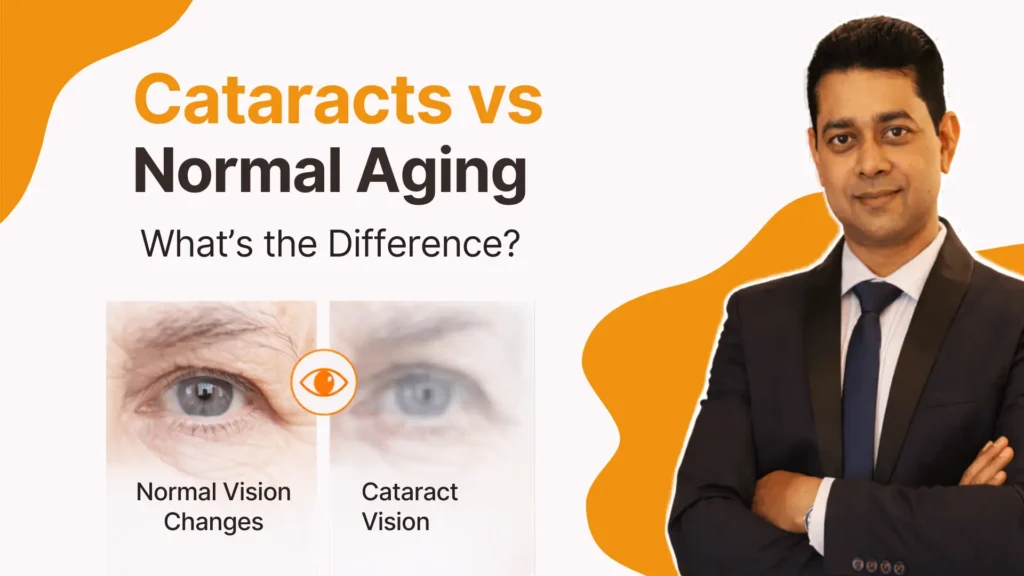
Understanding Normal Aging of the Eyes
As you grow older, your eyes naturally undergo gradual changes. These are not diseases but expected shifts in how your vision functions over time.
Common Signs of Normal Aging:
- Difficulty reading small text (presbyopia)
- Needing brighter light for reading or close work
- Slight trouble seeing clearly at night
- Increased sensitivity to glare from lights
- Slower adjustment when moving between light and dark
These changes usually begin after age 40 and can be easily managed with glasses or minor lifestyle adjustments.
What Are Cataracts?
Cataracts occur when the natural lens inside your eye becomes cloudy. Unlike normal aging, this is a medical condition that gradually worsens and can significantly affect vision if left untreated.
Common Symptoms of Cataracts:
- Blurry or cloudy vision
- Colors appearing dull or yellowish
- Difficulty seeing at night
- Halos around lights
- Frequent changes in glasses number
- Double vision in one eye
Cataracts develop slowly but can interfere with everyday activities like reading, driving, or recognizing faces.
Key Differences Between Cataracts and Normal Aging
Normal aging leads to mild and manageable vision changes, while cataracts cause progressive vision loss. With aging, your eye lens remains clear, but with cataracts, it becomes cloudy. Age-related changes can usually be corrected with glasses, whereas cataracts often require a simple surgical procedure for complete vision restoration.
When Should You See a Doctor?
You should not ignore your symptoms if you notice:
- Persistent blurry or cloudy vision
- Sudden decline in eyesight
- Increased glare, especially while driving at night
- Difficulty recognizing faces
- Vision problems affecting your daily routine
Consulting an expert early ensures better treatment outcomes.
Treatment Options
For Normal Aging:
- Prescription glasses
- Reading glasses
- Better lighting and eye care habits
For Cataracts:
The only effective treatment is cataract surgery, where:
- The cloudy lens is removed
- A clear artificial lens is implanted
- Vision is restored quickly and safely
Importance of Early Diagnosis
Delaying treatment for cataracts can lead to worsening vision and complications. Regular eye check-ups help in early detection and timely intervention. If you’re looking for the Best Eye Specialist in Gunjur, expert care can make all the difference in preserving your vision.
Frequently Asked Questions (FAQ)
1. Is cataract a natural part of aging?
No, aging increases risk, but cataract itself is a medical condition that needs treatment.
2. Can cataracts be treated without surgery?
No, cataracts cannot be reversed with medicines or glasses once they progress significantly.
3. How do I know if I have cataracts or just aging vision?
If your vision is becoming cloudy, dull, or affecting daily life, it is best to consult an eye specialist for proper diagnosis.
4. Is cataract surgery painful?
No, it is a painless and quick procedure performed under local anesthesia.
5. How long does recovery take?
Most people notice improved vision within a few days, with complete recovery in a few weeks.
6. Can young people get cataracts?
Yes, though rare, cataracts can occur due to diabetes, injury, or genetic factors.
Conclusion
Understanding whether your vision changes are due to normal aging or cataracts is essential for maintaining long-term eye health. As emphasized by Dr. Sanjay Kumar, Senior Consultant Ophthalmologist, timely consultation and treatment can prevent vision loss and restore clarity. If you experience any concerning symptoms, don’t delay visiting the Best Eye Specialist in Gunjur for expert care.