A Best Eye Hospital in Bangalore provides comprehensive eye examinations to help detect and manage various eye conditions. One of the important tools used during an eye check-up is the slit-lamp microscope. It allows an eye specialist to examine the different structures of the eye in detail, helping identify abnormalities that may not be visible during a routine examination.
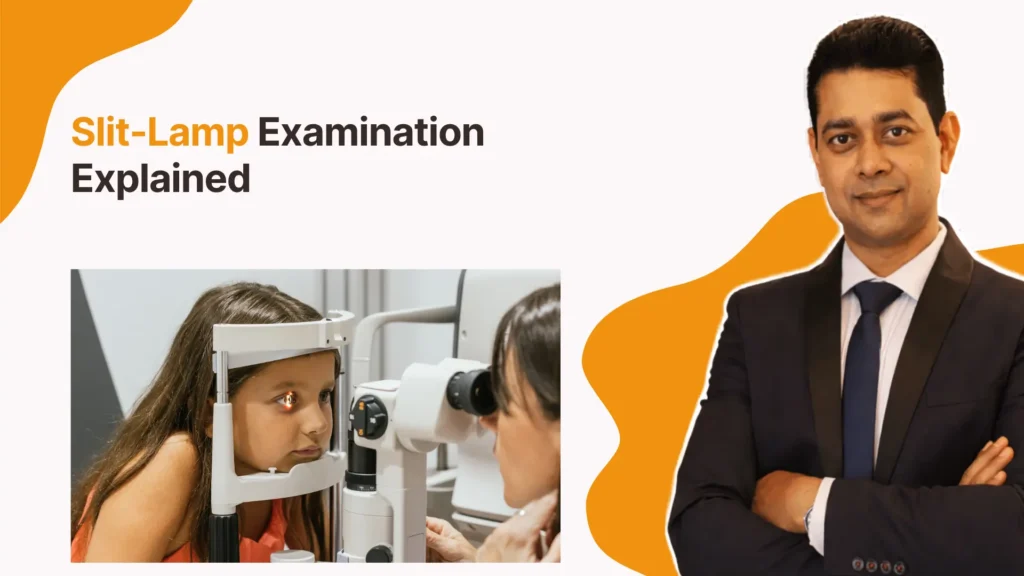
In this video, we explain what a slit-lamp examination is, how it is performed, what eye conditions it can help detect, and why regular eye check-ups are important. Individuals looking for a best eye specialist in Gunjur can consult an eye care professional for a detailed eye examination and personalised guidance.
A slit-lamp examination is a common eye test performed by an ophthalmologist to examine the structures of the eye under magnification.
The slit lamp is a special microscope that uses a bright, narrow beam of light to illuminate different parts of the eye. It helps the doctor examine the front and, with additional lenses, the back of the eye.
The examination is usually painless and is an important part of a comprehensive eye check-up.
A slit-lamp examination helps an eye specialist assess the health of different eye structures and identify signs of certain eye conditions.
It can help with:
- Examining the surface of the eye.
- Detecting signs of eye infections or inflammation.
- Identifying changes in the cornea and lens.
- Assessing conditions such as cataracts.
- Evaluating eye injuries or irritation.
- Supporting the diagnosis and monitoring of certain eye diseases.
The findings may help the doctor decide whether additional tests or treatment are required.
A slit-lamp examination allows the ophthalmologist to examine several structures of the eye.
1. Cornea
The cornea is the clear, dome-shaped front surface of the eye that helps focus light.
The doctor examines the cornea for scratches, infections, inflammation, clouding, or other abnormalities.
2. Conjunctiva
The conjunctiva is the thin, transparent tissue covering the white part of the eye and the inner surface of the eyelids.
The examination can help identify redness, irritation, inflammation, or signs of infection.
3. Iris and Pupil
The iris is the coloured part of the eye, while the pupil is the opening that allows light to enter.
The doctor examines their appearance and response to light to assess certain eye conditions.
4. Lens
The lens helps focus light onto the retina.
A slit-lamp examination can help identify clouding of the lens, which may indicate cataracts.
5. Front Part of the Eye
The doctor can also examine the space between the cornea and the iris, known as the anterior chamber.
This assessment may help identify inflammation or other abnormalities.
6. Retina and Optic Nerve
With the help of additional lenses, the doctor may examine the retina and optic nerve at the back of the eye.
This can help assess certain retinal conditions and signs of optic nerve damage.
A slit-lamp examination is generally simple and does not require special preparation.
Step 1: Sitting at the Slit Lamp
The patient sits comfortably in front of the slit-lamp microscope and places their chin and forehead on the support.
This helps keep the head steady during the examination.
Step 2: Examining the Eye
The ophthalmologist shines a narrow beam of light into the eye and examines its structures through the microscope.
The doctor may adjust the brightness, angle, and width of the light to examine different areas.
Step 3: Using Eye Drops if Required
In some cases, eye drops may be used to dilate the pupils or highlight specific areas of the eye.
If pupil-dilating drops are used, vision may remain blurry and light sensitivity may occur temporarily.
Step 4: Additional Examination
Depending on the findings, the doctor may use additional lenses or recommend other tests to examine the back of the eye or measure eye pressure.
A slit-lamp examination can help identify signs of several eye conditions.
1. Cataracts
Cataracts occur when the natural lens of the eye becomes cloudy, leading to blurred vision, glare, or difficulty seeing clearly.
A slit-lamp examination helps the doctor assess the lens and identify cataract-related changes.
2. Conjunctivitis
Conjunctivitis is inflammation of the conjunctiva. It may cause redness, watering, irritation, or discharge.
A slit-lamp examination can help the doctor assess the eye's surface and identify signs of inflammation.
3. Corneal Problems
Conditions such as corneal scratches, infections, and inflammation may affect the clear front surface of the eye.
The slit lamp helps the doctor examine the cornea closely and identify abnormalities.
4. Dry Eye Disease
Dry eye disease occurs when the eyes do not produce enough tears or when tears evaporate too quickly.
A slit-lamp examination can help assess the tear film and identify signs of irritation or damage to the eye's surface.
5. Uveitis
Uveitis is inflammation involving the uvea, a layer of the eye that includes the iris and other structures.
A slit-lamp examination can help detect signs of inflammation inside the front part of the eye.
A slit-lamp examination may be recommended for people experiencing:
- Blurred or reduced vision
- Eye redness or irritation
- Eye pain or discomfort
- Excessive watering
- Sensitivity to light
- Suspected cataracts
- A history of eye injury
- Certain existing eye conditions
It may also be included as part of a routine comprehensive eye examination, even when a person does not have noticeable symptoms.
Regular eye examinations help monitor vision and identify certain eye conditions before they cause significant problems.
Some eye diseases may develop gradually without noticeable symptoms in the early stages. A comprehensive eye check-up allows an ophthalmologist to assess vision and examine the health of the eyes.
During an eye examination, the doctor may recommend:
- Visual acuity testing to assess clarity of vision.
- Refraction testing to check the need for glasses.
- Slit-lamp examination to assess eye structures.
- Eye pressure measurement when indicated.
- Retinal examination to assess the back of the eye.
The tests recommended depend on the person's age, symptoms, medical history, and eye health.
Conclusion
A slit-lamp examination is an important part of a comprehensive eye check-up. It allows an ophthalmologist to examine the cornea, conjunctiva, iris, lens, and other eye structures in detail. The examination can help identify signs of cataracts, infections, inflammation, and other eye conditions. Regular eye check-ups support early identification of eye problems and help maintain healthy vision.
If you are experiencing vision changes, eye discomfort, or need a routine eye examination, consulting a best eye specialist in Gunjur can help you understand your eye health and receive appropriate care. Visiting a Best Eye Hospital in Bangalore can also help you access comprehensive eye examinations and further evaluation when required.
FAQ’s
No. A slit-lamp examination is generally painless. You may experience temporary discomfort from the bright light, but the examination itself does not usually cause pain.
The examination usually takes a few minutes. Additional tests or pupil-dilating drops may increase the overall time required for the eye check-up.
Yes. A slit-lamp examination allows the ophthalmologist to examine the natural lens and identify clouding associated with cataracts.
Yes. It is commonly included in a comprehensive eye examination. However, additional tests may be needed to assess vision, eye pressure, and the retina.
A slit-lamp examination may be recommended during a routine eye check-up, even if you do not have symptoms. The need and frequency depend on your age, eye health, and medical history.