
Contact lenses can be a convenient alternative to glasses, but using them incorrectly can increase the risk of eye irritation, infections, and other complications. Simple mistakes such as poor hygiene, sleeping with lenses, or not following the recommended replacement schedule can affect eye health. People who use contact lenses and have concerns about their eye health can consult an Eye Specialist in Gunjur for proper guidance and regular eye care.
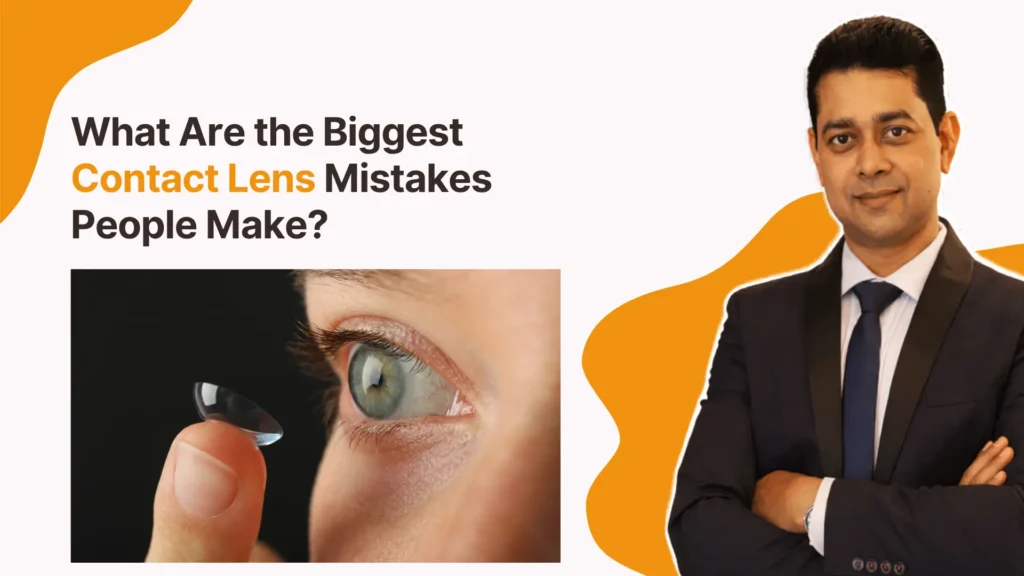
Contact lenses sit directly on the surface of the eye, so proper handling and hygiene are extremely important. Avoiding a few common mistakes can help reduce unnecessary risks.
1. Not Washing Hands Before Handling Lenses
Touching contact lenses with unwashed hands can transfer dirt, oils, and microorganisms to the lenses and eyes. Always wash and dry your hands thoroughly before putting in or removing contact lenses.
2. Sleeping With Contact Lenses
Unless specifically prescribed for overnight use, contact lenses should generally be removed before sleeping. Wearing lenses while sleeping can reduce oxygen reaching the cornea and may increase the risk of serious eye infections.
3. Using Tap Water to Clean Lenses
Tap water should not be used to clean or store contact lenses. Water can contain microorganisms that may cause eye infections. Use only the recommended contact lens solution and follow the instructions provided by your eye-care professional.
4. Not Replacing Lenses on Time
Contact lenses are designed for specific replacement schedules. Continuing to use lenses beyond their recommended duration can lead to deposits, discomfort, and increased risk of complications.
5. Reusing Old Contact Lens Solution
Topping up old solution instead of replacing it completely can reduce its effectiveness in disinfecting the lenses. Always follow the manufacturer's instructions and use fresh solution as recommended.
6. Sharing Contact Lenses
Contact lenses should never be shared with another person, even if they appear clean. Sharing lenses can transfer microorganisms and may cause eye infections or other complications.
7. Ignoring Eye Discomfort
Redness, pain, excessive watering, light sensitivity, blurred vision, or unusual discharge should not be ignored. Remove the lenses and seek professional eye care if symptoms persist or are severe.
Good contact lens habits can help protect your eyes. Always wash and dry your hands before handling lenses, use the correct lens solution, follow the prescribed wearing and replacement schedule, and keep your lens case clean.
Avoid wearing contact lenses when your eyes are irritated or infected unless advised otherwise by an eye-care professional. Regular eye examinations are also important to ensure that your lenses remain suitable for your eyes.
If you are experiencing repeated discomfort, dryness, redness, or difficulty with contact lenses, consulting an Eye Doctor in Gunjur can help identify the cause and provide appropriate advice.
In this video, Dr. Sanjay Kumar, Eye Specialist, explains some of the most common contact lens mistakes people make and shares simple tips to help contact lens users maintain better eye hygiene and protect their vision.
Conclusion
Contact lenses can be safe and convenient when used correctly, but poor hygiene and incorrect wearing habits can put your eyes at risk. Washing your hands before handling lenses, avoiding sleeping in them unless specifically prescribed, using the correct solution, replacing lenses on time, and responding promptly to eye symptoms can help protect your vision. If you use contact lenses and have questions or recurring eye problems, consulting an Eye Specialist in Gunjur can help you use them safely and maintain good eye health.
FAQ’s
Unless your eye-care professional has specifically prescribed lenses for overnight wear, it is generally safer to remove contact lenses before sleeping.
No. Tap water should not be used to clean or store contact lenses. Use the recommended contact lens solution.
Replacement depends on the type of contact lens. Follow the schedule provided by the manufacturer and your eye-care professional.
Remove the lenses and avoid wearing them until the cause is understood. If redness continues or is accompanied by pain, blurred vision, discharge, or light sensitivity, seek prompt eye-care advice.
No. Contact lenses should never be shared because this can increase the risk of infection and other eye problems.